Tracing Bingo's Grid Evolution: From Traditional Lines to Modern Digital Configurations
Yves Baumann · Oct 8, 2026
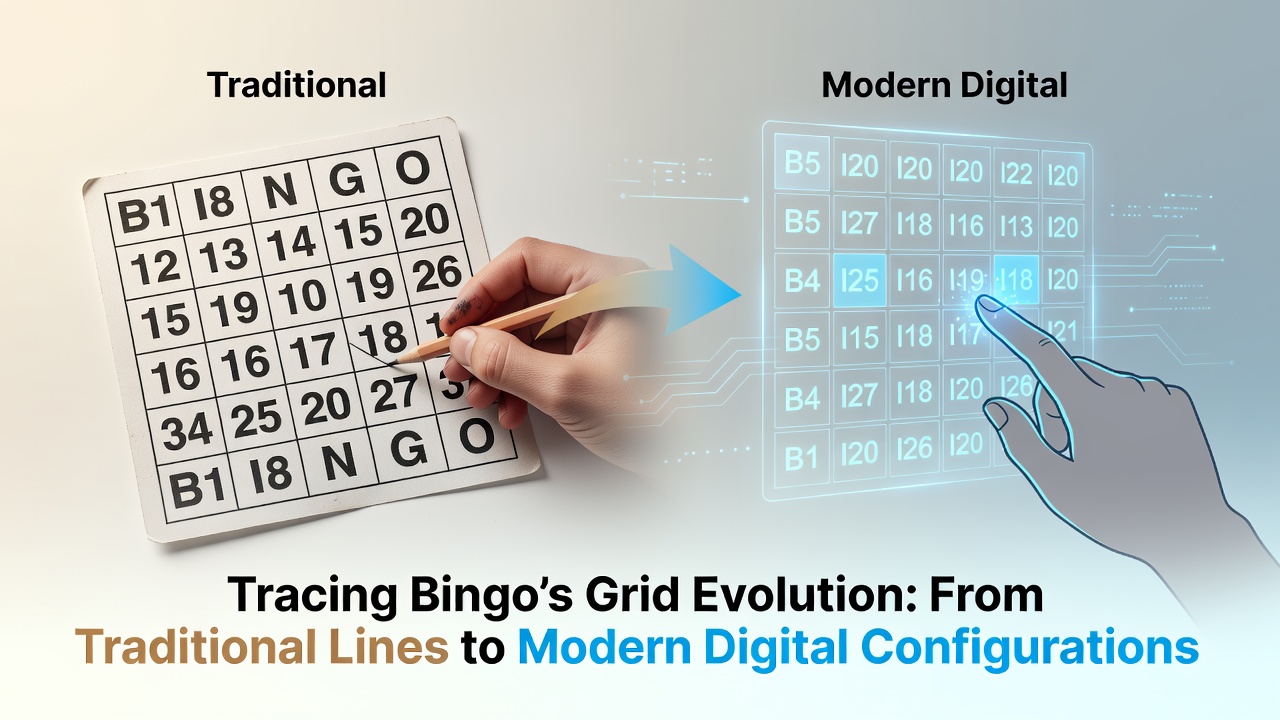
Tracing Bingo's Grid Evolution: From Traditional Lines to Modern Digital Configurations
Traditional bingo grids took shape centuries ago in Italy during the 16th century, where players marked numbers on paper sheets arranged in simple rows and columns, and those early formats relied on manual verification by callers who read numbers aloud while participants crossed off matches with pens or tokens. Over time the structure standardized into the 5x5 layout familiar in 75-ball variants, complete with the BINGO header across the top and a free space in the center that reduced the total numbers required while preserving strategic patterns along rows, columns, and diagonals.
Standardized Paper Formats Across Regions
By the early 20th century, UK halls adopted 90-ball bingo on tickets that featured three rows and nine columns with 15 numbers per strip, creating longer games that rewarded players who completed horizontal lines first, then two lines, and finally the full house, whereas North American operators favored the compact 5x5 grid because it allowed faster rounds and multiple winning combinations in a single session. Data from regional gaming archives shows these fixed layouts remained dominant through the 1980s, with printers producing millions of pre-numbered cards each week to meet demand in community centers and charity events.
Shift Toward Screen-Based Play
The move to digital began in the mid-1990s when internet platforms first replicated the same grids on websites, yet operators soon discovered that screen real estate permitted larger or smaller matrices without the physical constraints of paper. One study from the University of Nevada Reno tracked early adoption rates and found that digital versions reduced printing costs while enabling instant randomization of number placement on each card, a change that eliminated duplicate tickets and allowed simultaneous play across thousands of users. Nevada Gaming Control Board records indicate steady growth in licensed online bingo operations after 2000, with grid configurations expanding beyond the classic 5x5 and 3x9 models to include 4x4 mini-games and 6x6 variants that altered probability distributions.
Interactive Features in Contemporary Platforms
Modern systems integrate touch interfaces, auto-daub options, and themed overlays that replace static numbers with icons or seasonal graphics, and these adaptations maintain core mechanics while adding layers such as power-ups that highlight potential lines or multipliers applied to completed patterns. Observers note that mobile applications further refined grid presentation by scaling cells dynamically to fit different screen sizes, ensuring legibility whether users play on phones or tablets during short sessions. Research from the Australian Institute of Criminology highlights how these digital tools have broadened participation across age groups, since automated marking reduces errors that once occurred with paper cards in noisy halls.
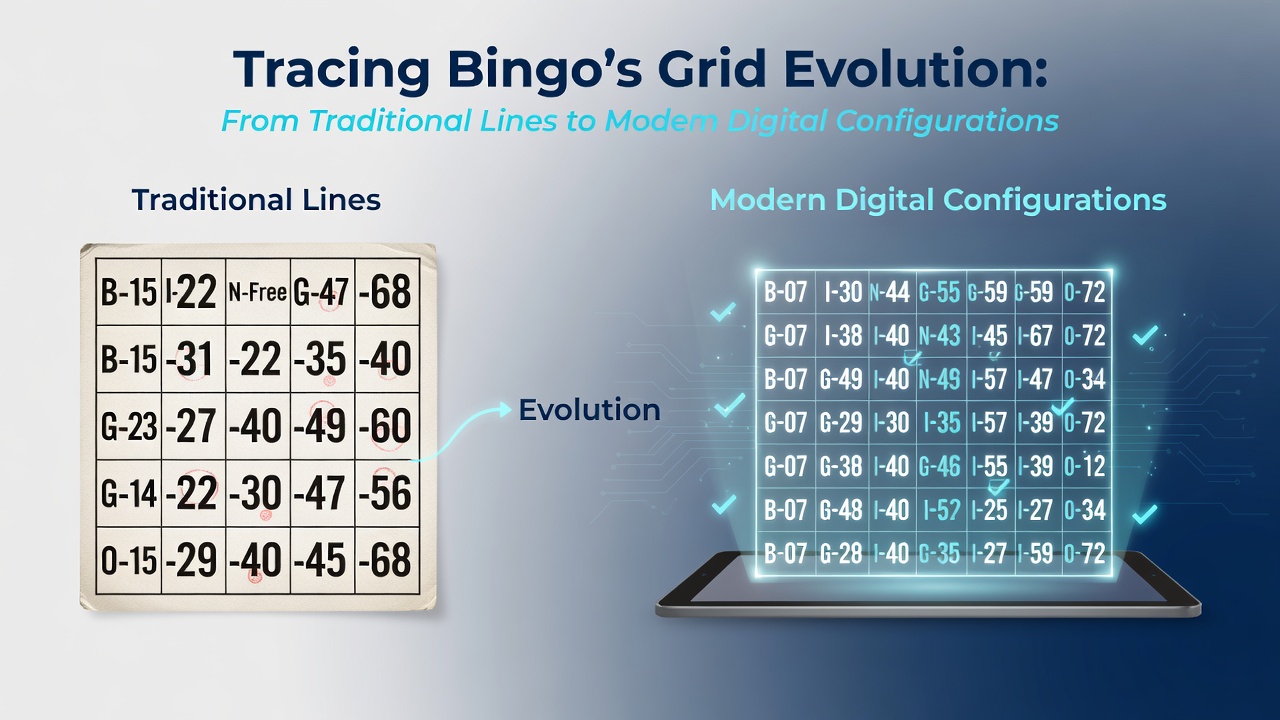
By 2025 developers introduced modular grid builders that let operators adjust column counts and number ranges on the fly, and industry reports suggest this flexibility supports specialized game modes such as speed bingo with abbreviated 3x3 layouts or progressive jackpots tied to specific diagonal patterns. In October 2026 several major platforms plan to roll out enhanced accessibility options, including high-contrast grids and voice-guided number calls, that align with emerging regulatory expectations in multiple jurisdictions. Those who analyze player data observe that variable configurations encourage longer engagement because participants can switch between traditional lines and newer shapes without leaving the same application.
Regulatory and Technical Influences
Authorities in various regions have updated technical standards to cover random number generation and grid integrity, ensuring that digital versions preserve fairness equivalent to physical cards. The Canadian Gaming Association published guidelines in recent years that require transparent audit trails for every grid generated, while similar frameworks in other markets emphasize player protection through clear display of winning patterns. These rules have prompted software providers to embed verification tools directly into the interface, so players see real-time confirmation when lines form rather than waiting for manual checks.
Conclusion
Bingo grids have progressed from fixed paper sheets to adaptable digital arrays that retain the original matching principles yet accommodate new technologies and audience preferences. Continued refinements in October 2026 and beyond will likely focus on seamless integration across devices and enhanced visualization tools, maintaining the game's accessibility while expanding creative possibilities for operators and players alike.